Do you suffer from headaches, grinding of your teeth, clicking of your jaw or even neck or ear pain? You’re not alone! These can all be signs of a condition known as Temporomandibular Joint Disorder (TMJ).
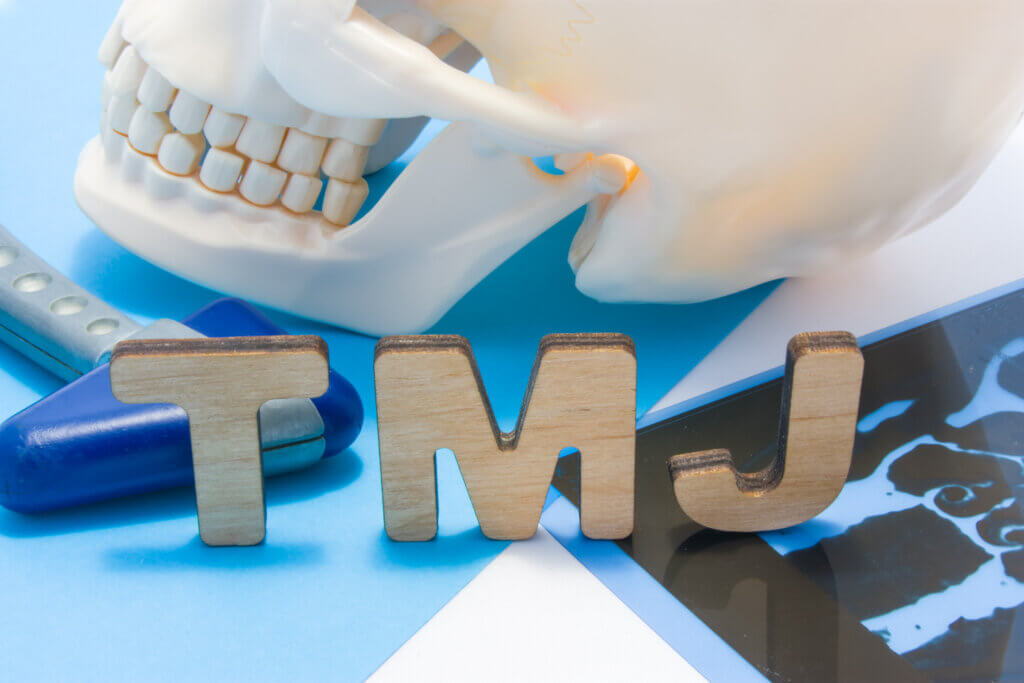
This is a disorder of the jaw muscles and nerves caused by injury to the TMJ (the temporomandibular joint), which is the joint between your jaw and skull. A physical therapist or nurse practitioner can take a look at your symptoms and help to diagnose if this is what has been causing your discomfort!
If you’re living with this condition, don’t fret! The skilled therapists at Joint Restoration Center are here to help you find true pain relief once and for all. Call our clinic today and cut the cord tying you to your pain!
Common causes of TMJ disorder
According to ChoosePT, TMJ disorder is so common that it currently affects more than 10 million people in the United States. That’s a lot! There are several reasons you may be experiencing symptoms of temporomandibular joint disorder.
Multiple factors contribute to the muscle tightness and dysfunction that characterize this condition. Most often, poor posture and neck alignment change the pull of the muscles that make your jaw move. This causes painful grinding and irritation of the temporomandibular joint.
Other causes may include:
- Poor alignment of or trauma to the teeth or jaw (malocclusion)
- Clenching of the jaw (bruxism)
- Lockjaw (trismus)
- Teeth grinding
- Poor posture
- Stress
- Arthritis or other inflammatory musculoskeletal disorders
- Excessive gum chewing
When you see a physical therapist for pain relief for TMJ disorder, they may ask you questions about your daily life including stressors and chronic conditions that could be causing your pain.
Symptoms of TMJ
There are several ways to know if you may be dealing with TMJ, although the best way to find out for sure is to visit with a Joint Restoration Center physical therapist or nurse practitioner!
When a person has TMJ disorder, the injured joint leads to pain with chewing, clicking, and popping of the jaw; swelling on the sides of the face; neck pain; nerve inflammation; headaches; tooth grinding; and sometimes dislocation of the temporomandibular joint.
The bad news is that this condition can make everyday things such as talking and eating pretty uncomfortable. The good news is that a lot can be done to help TMJ disorder, first starting with a thorough evaluation of your problem with our expert physical therapists and practitioners!
How can physical therapy help with TMJ?
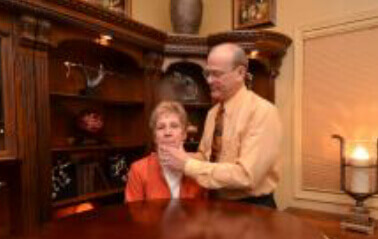
Dentists and orthodontists aren’t the only ones who can treat TMJ disorder. Physical therapists can as well. At your first appointment with Joint Restoration Center, a thorough examination of your neck, shoulders, and thoracic spine will be performed to determine whether those structures are causing your symptoms.
Once the root cause of your problem has been discovered, a comprehensive plan can be developed to quickly relieve your pain and restore natural movement to your temporomandibular joint. Furthermore, our physical therapists and nurse practitioners will teach you techniques for regaining normal jaw movement for long-lasting results.
The focus of physical therapy and other supporting treatments for TMJ is relaxation, stretching, and releasing tight muscles and scar tissue. In most cases, physical therapy combined with supporting treatments such as trigger point injections can resolve TMJ and prevent the need for surgery.
However, in cases where surgery is absolutely necessary, physical therapy is a vital part of the recovery process, as it helps minimize scar tissue formation, decrease muscle tightness, and allow for a complete recovery.
Your recovery plan may involve a range of procedures and modalities, such as jaw exercises, soft tissue massage, joint mobilization, myofascial methods, trigger point injections, and ultrasound. Your PT will also work with you on improving your posture as well since this can contribute to TMJ-related pain.
Give us a call today
If you’re living with jaw pain and discomfort, it’s worth calling Joint Restoration Center in Tulsa, OK, to set up an appointment to have your condition assessed. On the chance that TMJ disorder is the culprit, our physical therapists and nurse practitioners will do everything in their power to give you the pain relief you deserve, and help you to experience less discomfort when you’re talking, chewing, yawning, etc.
What are you waiting for? Relief is a call away, so reach out today to set up an appointment!
Headache Relief & Treatment Near You
Are you in need of headache relief? Joint Restoration Center can help!
Do you get headaches on a regular basis? When looking for headache relief, physical therapy may not be the first thing that comes to mind, but it can be extremely beneficial.
If you suffer from frequent headaches, physical therapy and other supporting treatments are essential for long-term relief. To learn more about how physical therapy and supporting treatments can help with headaches, make an appointment with Joint Restoration Center today.
What kind of headache do I have?
Joint and muscle weakness, poor posture, and stress are all possible causes of your headaches. Headaches can cause pain to radiate from the scalp, the sides of the head, or even the brow.
Recognizing the type of headache you’re experiencing will assist your physical therapist and nurse practitioner in determining which pain-relieving treatments will be most beneficial to you.
The most common types of headaches include:
Tension Headache
The dura mater is a thin membrane that encircles the brain. The dura mater spasms near the small muscles at the base of the skull when stressed. These spasms send pain signals to the brain, causing headaches. These spasms can be caused by repetitive movements or poor neck/head posture.
Cervicogenic Headache
If you’re experiencing pain in the top three cervical vertebrae, you most likely have a cervicogenic headache. Concussions, arthritis, or even work-related strain can cause cervicogenic headaches. These headaches are more common in people who work in jobs that require a regular down-turned head or neck motion.
Musculoskeletal Headache
Excessive pressure on the neck can cause musculoskeletal headaches. The most common causes are muscle imbalances, postural problems, or injury, but emotional stress can also play a role. Whiplash, like other neck injuries, can cause muscle and connective tissue strain, which can lead to musculoskeletal headaches.
Migraine
A neurological condition can cause migraines. They may cause acute or chronic sensitization of specific areas of the brain and nerves that supply sensation to the head and face. It is not clear the exact cause of migraines, but it’s possible they are hereditary.
Migraines are not a chronic condition. Instead, they are frequently caused by a combination of factors such as your diet, emotional stress, abnormal postures, and neck/head muscle joint problems. Your therapist and practitioner can reduce the severity and frequency of your migraine episodes by addressing “trigger areas” in the head, neck, jaw, and face.
Mixed Headaches or Chronic Daily Headaches
Chronic daily headaches are frequently associated with mixed headaches. This means that your discomfort could be the result of cervicogenic, tension, or migraine headaches, as well as medication overuse or rebound headaches.
How will Joint Restoration Center promote headache relief?
We will provide you with the best headache treatment available at Joint Restoration Center. Your Tulsa, OK physical therapist and nurse practitioner will perform a physical examination during your first appointment. This exam will determine the type of headache you’re having as well as the source of your pain.
Following that, we will create a treatment plan just for you. This plan will include specific exercises, manual therapy, trigger point injections, and education.
A physical therapist and nurse practitioner can treat chronic headaches in the following ways:
- Improving the neck’s range of motion.
- Reducing or eliminating headache intensity, frequency, and duration.
- Improving one’s overall quality of life.
- Improving mobility and function.
- Reducing the need for or reliance on medications.
- Relieving knots in your head and neck muscles.
The only way to find out what a therapist or practitioner will recommend for your headache pain is to request an appointment today.
Are you tired of pain controlling you? Find headache relief at our Tulsa, OK clinic!
Physical therapy combined with other supporting treatments could be your key to a healthier, headache-free life. Make an appointment with Joint Restoration Center in Tulsa, OK for headache relief!