If you struggle with vestibular disorders, a targeted exercise program can help!
Have you ever been struck with a sudden feeling of light-headedness or disorientation? Do you ever feel as if your environment is spinning around you–or you’re spinning in circles, even as you stand perfectly still? Vestibular rehabilitation is a specialized form of physical therapy that can help you manage these symptoms.
These alarming sensations are often symptoms of vestibular disorders. “Vestibular” refers to conditions of the inner ear, which plays an important role in regulating balance. When you have an inner ear impairment, you may experience bouts of dizziness and/or vertigo, along with motion sensitivity and balance issues.
American Headache Institute offers vestibular rehabilitation right here in Rochester, Hills, MI. Our treatment plan is a targeted exercise program tailored to your specific conditions, symptoms, and overall needs. Our team of physical therapists is trained to address vestibular disorders, and we’ll work closely with you to find a solution that suits your goals.
Call our clinic to learn more about vestibular rehabilitation and how it might benefit you!
What Conditions Does Vestibular Rehabilitation Help?
Broadly speaking, vestibular rehabilitation can potentially help anyone struggling with vertigo and any associated symptoms. While “vertigo” and “dizziness” are often used interchangeably, they do mean two different things:
- Dizziness is an umbrella term for any sensations of unsteadiness, lightheadedness, or disorientation.
- Vertigo is a type of dizziness in which your surroundings feel like they’re spinning around you or you’re spinning in place even though you aren’t moving.
Depending on the cause of your vertigo, you might experience additional symptoms as well, including the following:
- Gaze instability: Difficulty focusing your gaze on an object
- Motion sensitivity: A sensitivity to visually busy surroundings (such as a crowded supermarket), which can trigger bouts of vertigo, nausea, or imbalance
- Balance issues and increased fall risk
Several conditions can lead to these vestibular disturbances. The most common is BPPV (benign paroxysmal positional vertigo), in which calcium deposits become dislodged in the inner ear, leading to symptoms. Other conditions include head injuries, brain lesions, and anxiety disorders.
However, often these symptoms are simply the result of aging. In fact, over 80% of people 65 or older experience dizziness, with only around 30%-50% of those cases being attributed to BPPV. Sometimes, there’s no apparent reason for why a person experiences vestibular symptoms.
That said, even if there’s no underlying cause, these symptoms can profoundly impact your quality of life. One of the most significant risks is falling, which, for older people especially, can cause serious injury and hospitalization.
What Happens During Vestibular Rehabilitation?
Like other forms of physical therapy, vestibular rehabilitation uses a customized exercise program to help you manage and alleviate your symptoms. It seeks to address the following:
- Improve your balance
- Improve your gaze stability
- Reduce your vertigo
By addressing these concerns, vestibular rehabilitation aims to improve your overall quality of life. You can potentially reduce your fall risk and feel more confident going out in public without worrying about a vertigo attack.
While we customize every patient’s program based on their needs, here are the main types of exercises we include in most vestibular rehabilitation plans:
- Vision Exercises: These vision exercises play a big role in improving your overall gaze stability, which can help decrease incidents of movement-induced vertigo. They typically involve focusing and unfocusing your gaze on certain points in a visual field (such as a number grid) or quickly glancing between visual points.
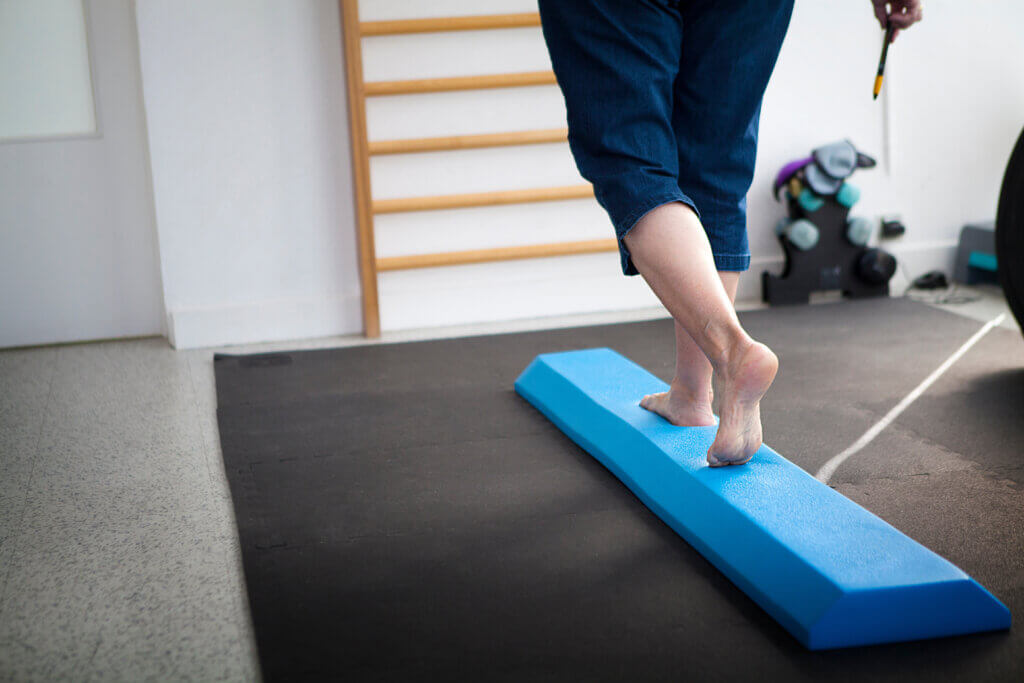
- Postural Exercises: These exercises will help you learn how to control your balance. Each exercise addresses all aspects of balance (visual, sensory, and vestibular) and will challenge you to stay on your feet in a safe, supportive environment.
- Habituation Exercises: These exercises involve repeating movements that cause mild to moderate symptoms. Over time, you “habituate” to these movements, potentially reducing your symptoms.
- Relaxation Exercises: We’ll show you specialized relaxation exercises to relieve vestibular symptoms.
- Physical Conditioning: Finally, we’ll provide a more standard exercise program designed to help you improve your balance. A simple walking program is usually all it takes, although some patients might also be interested in trying Tai Chi or gentle Yoga.
What Can I Expect at My Appointment?
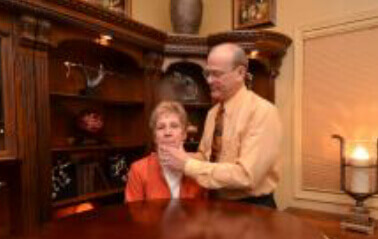
When you come in for your initial consultation at American Headache Institute, our physical therapy will start with a comprehensive physical assessment to help us better understand your symptoms and potentially identify an underlying cause.
We’ll review your medical history, including any medications that may cause dizziness, and conduct several movement screens and other diagnostic tests to help us understand your specific condition.
Next, we’ll develop a customized vestibular rehabilitation program based on your needs. At subsequent visits, we’ll work through the program with you, guiding you through the exercises and monitoring your progress. We’ll also provide you with simple exercises you can do at home.
Get Started With Your Vestibular Rehabilitation Today!
If you’re struggling with persistent dizziness, vertigo, or balance issues, schedule an appointment at our Rochester Hills, MI physical therapy office today! The team at American Headache Institute will work closely with you to develop a vestibular rehabilitation plan that addresses your needs–so you can confidently.
Sources:
https://www.physio-pedia.com/Introduction_to_Vestibular_Rehabilitation
https://www.ncbi.nlm.nih.gov/pmc/articles/PMC3259492/
https://www.physio-pedia.com/Vestibular_Treatment
Tags: headaches, vestibular therapy, dizziness